☰
Modern embryology infrastructure designed for precision fertilisation, controlled embryo culture, and structured laboratory quality systems.
Confidential • International Patient Support • 24 Hour Response
Successful IVF outcomes depend significantly on laboratory stability. Embryo development is highly sensitive to environmental changes. Even minor fluctuations in temperature, pH levels, oxygen concentration, or air contaminants can affect fertilisation rates.
Partner centres coordinated by Fertilora maintain structured clean-room environments, continuous monitoring systems, and documented quality protocols aligned with modern reproductive medicine standards.
From oocyte handling to blastocyst culture, each stage is performed under calibrated laboratory controls.
Inside our advanced embryology laboratory infrastructure.
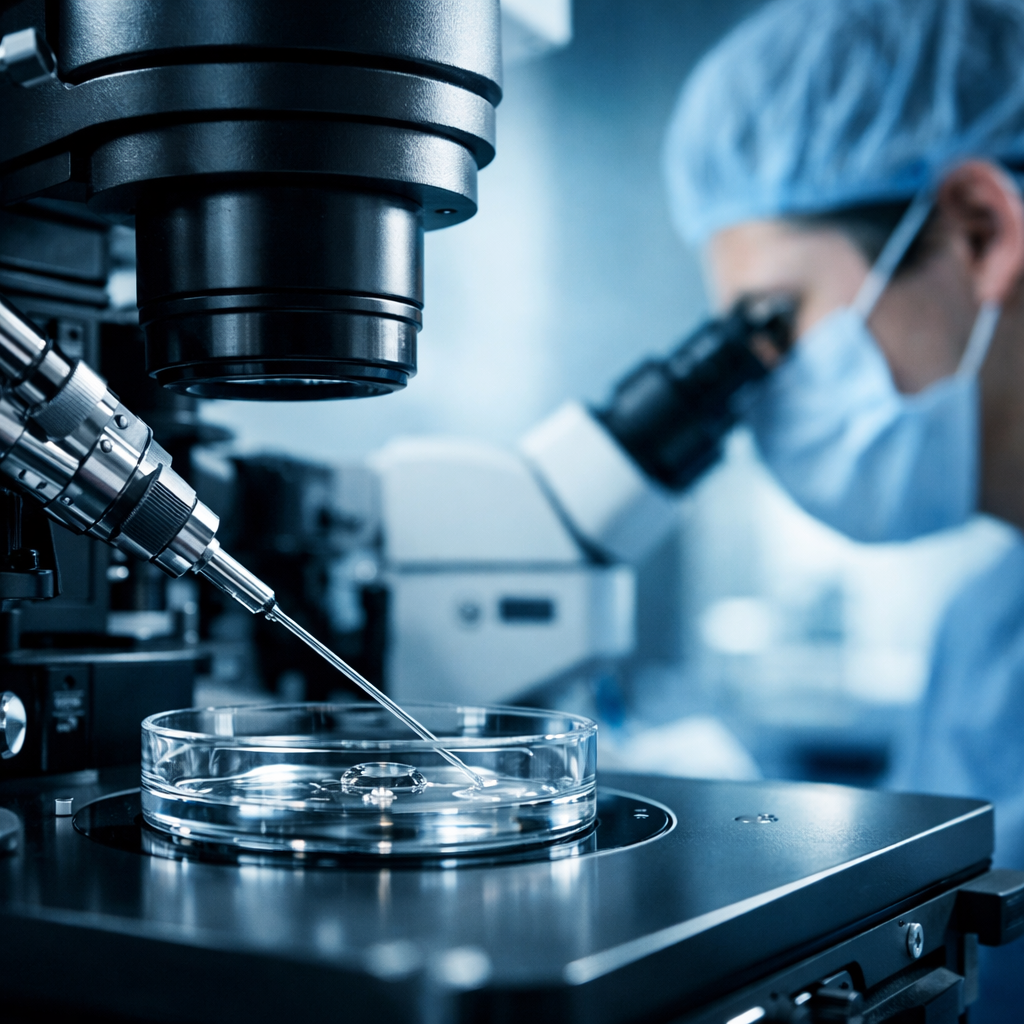
High-resolution inverted microscopes with hydraulic or electronic micromanipulators allow precise injection of a single sperm into each mature oocyte. Temperature-controlled stages prevent thermal stress.
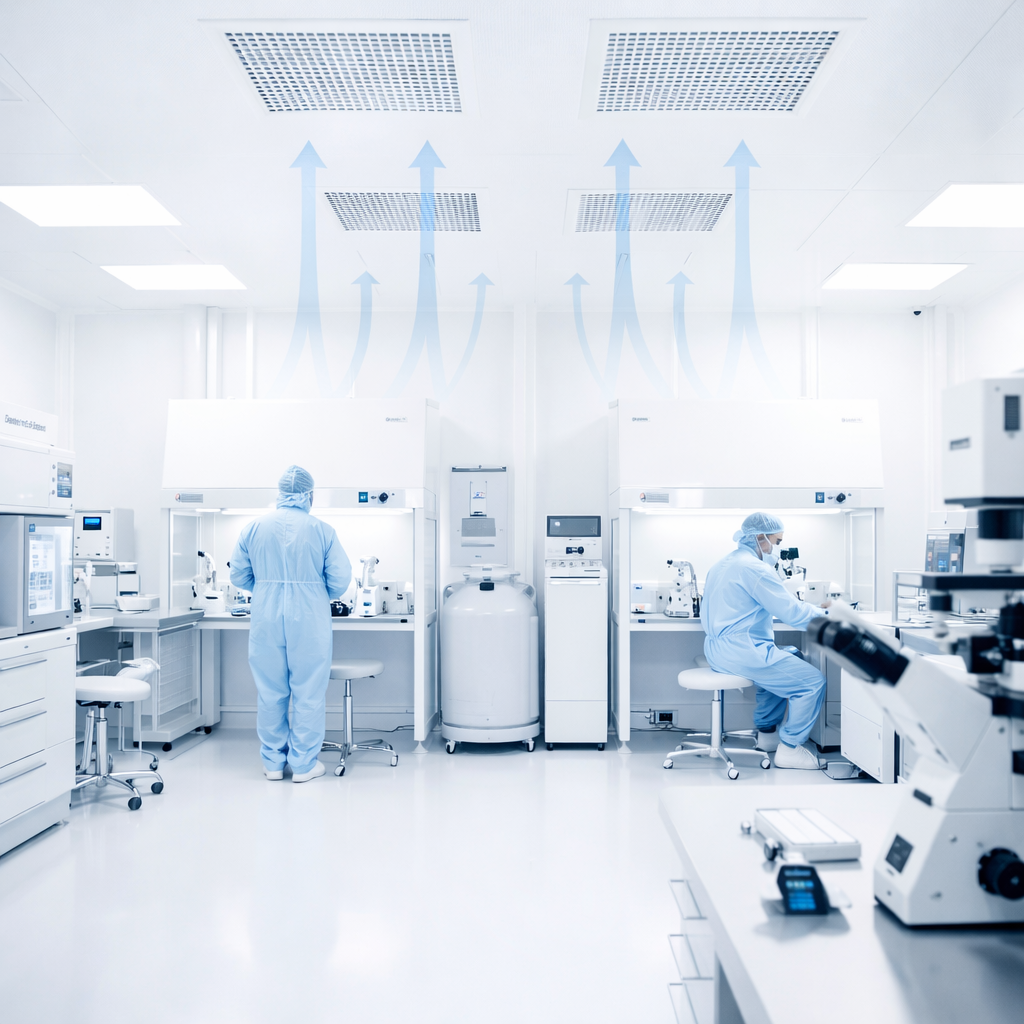
Positive pressure clean-room design with HEPA filtration reduces particulate exposure. VOC control systems help maintain air purity essential for embryo culture stability.

Incubators regulate CO₂ and O₂ levels to mimic physiological conditions. Stable humidity and temperature support development to the blastocyst stage.
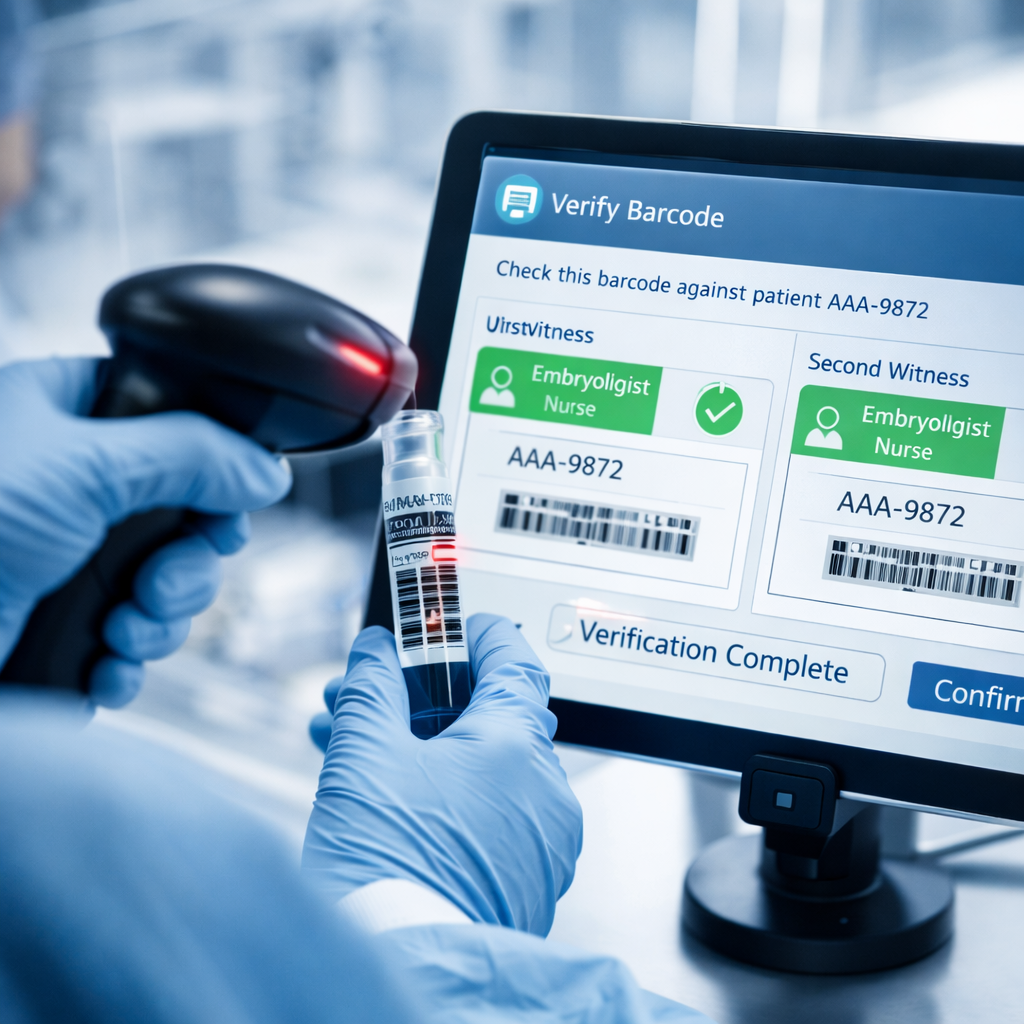
Structured double-witness systems and digital tracking ensure sample traceability and patient identification through every embryology step.
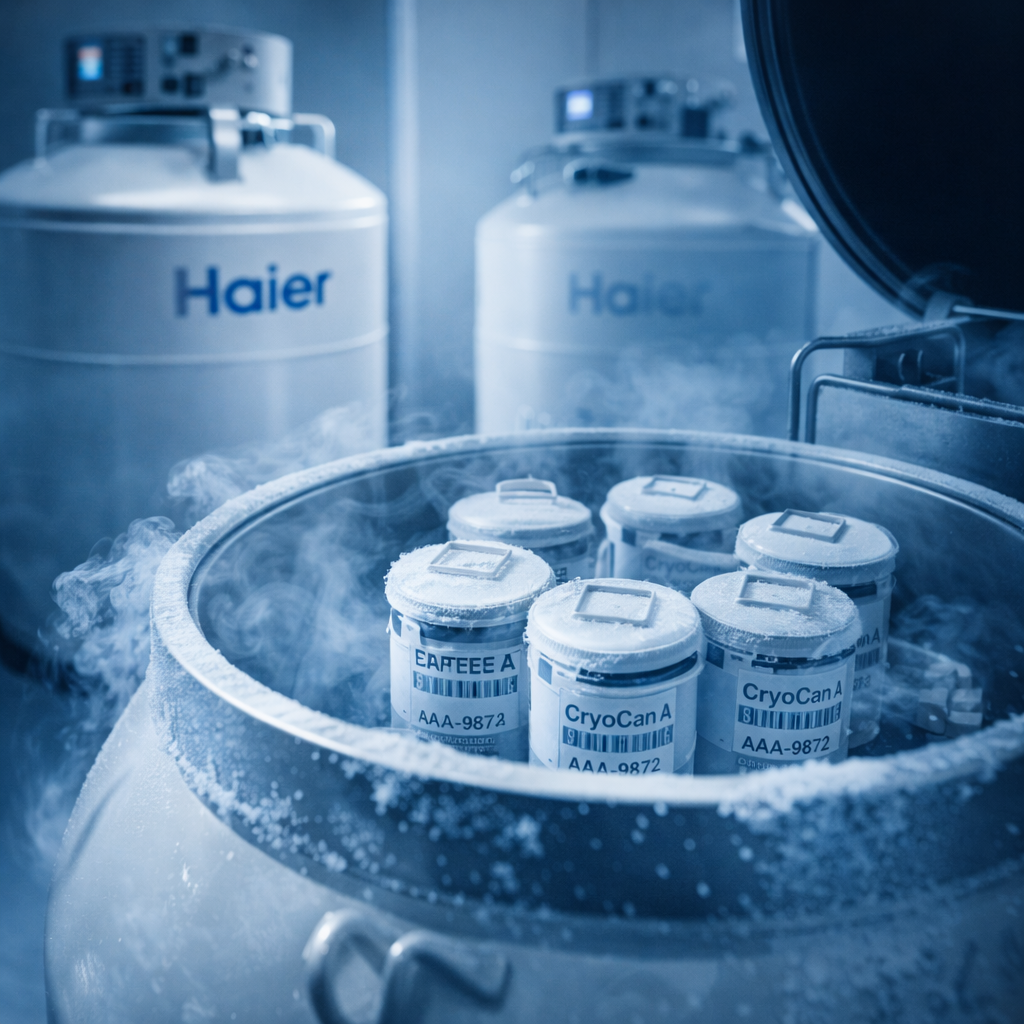
Vitrification techniques allow rapid freezing of embryos and oocytes with high post-thaw survival rates. Secure nitrogen storage tanks are continuously monitored.
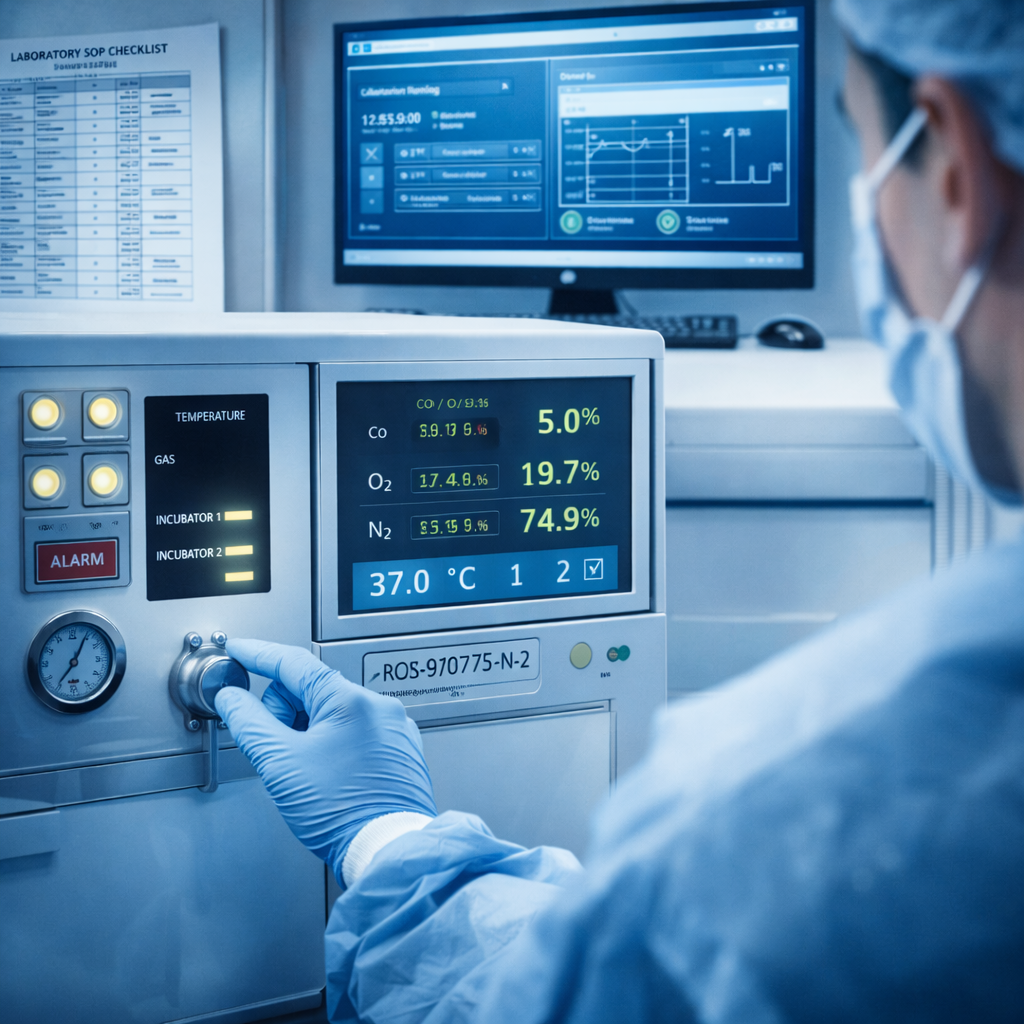
Routine equipment calibration, alarm-based temperature monitoring, and documented SOP adherence ensure consistent laboratory performance.
Get laboratory protocol explanation, treatment duration estimate, and transparent cost planning before you travel.
Request Treatment Plan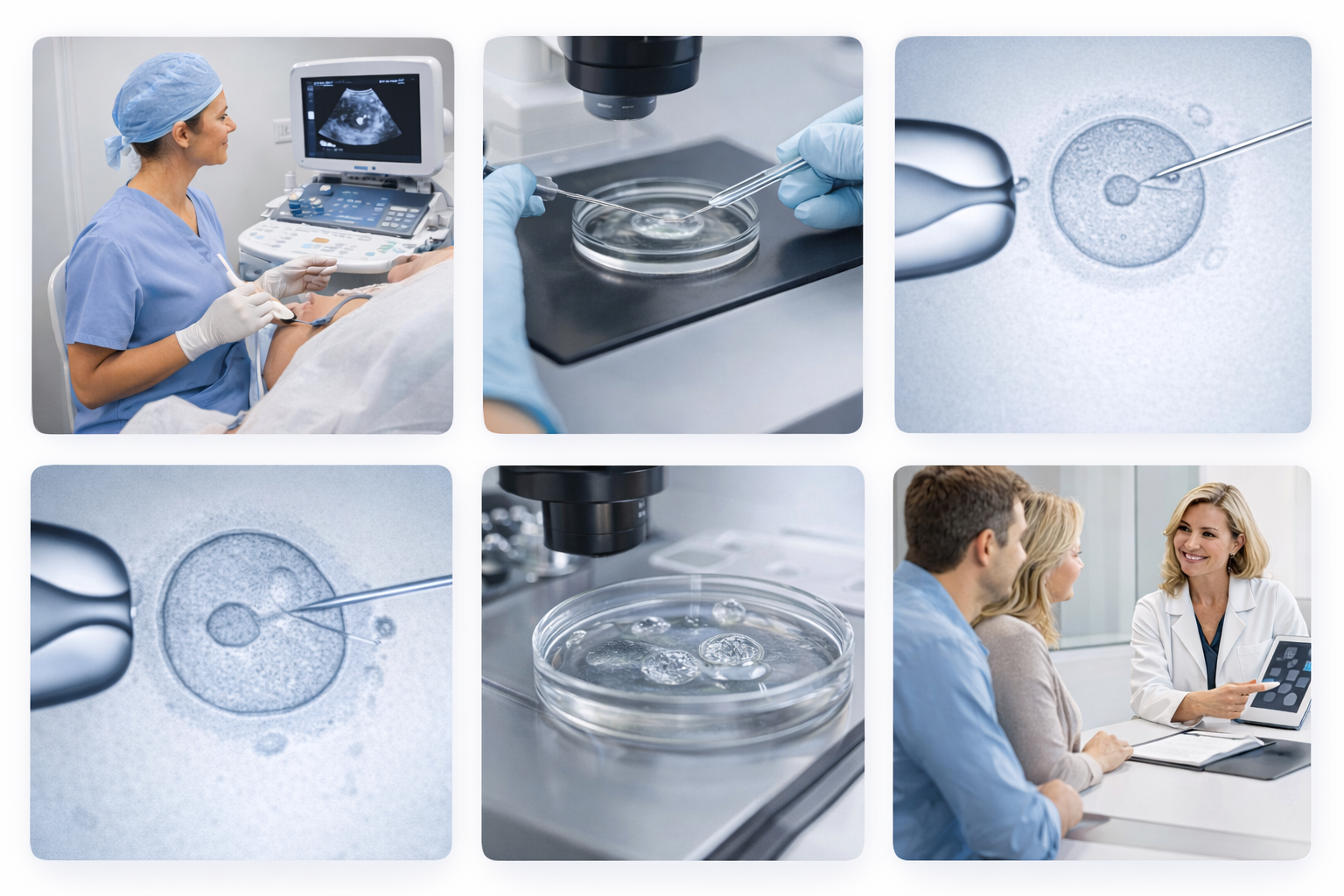
Step 1: Oocyte Retrieval under ultrasound guidance.
Step 2: Oocyte denudation to assess maturity.
Step 3: Single sperm injection via ICSI.
Step 4: Fertilisation assessment after 16–18 hours.
Step 5: Embryo culture until Day 3 or Day 5 (blastocyst).
Step 6: Embryo grading and transfer planning.
International patients receive documented laboratory updates and transparent communication at each stage.
Receive:
Your information remains confidential and is shared only with licensed fertility specialists.